
Why Heat Maps Remain Relevant in ERM

In the evolving field of Enterprise Risk Management (ERM), heat maps continue to serve as a prominent visualization tool, aiding organizations in quickly identifying, prioritizing, and communicating risks effectively. This article examines their ongoing relevance, recognized limitations, evolving practices, and best practices to maintain their credibility.
Visual Communication
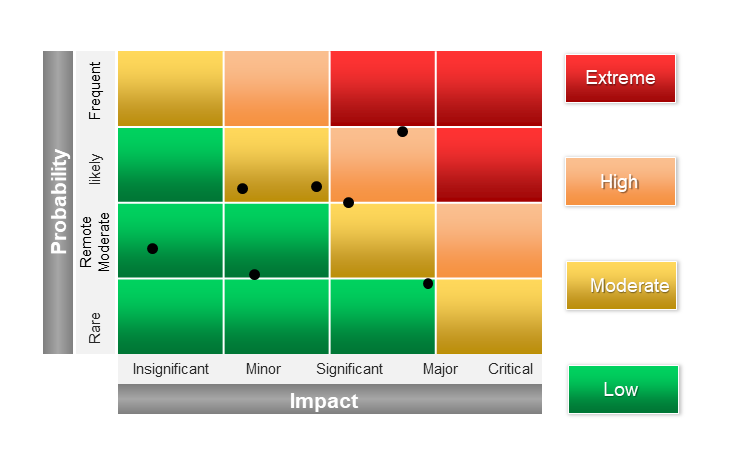
Heat maps enable stakeholders—including executives and boards—to visually grasp complex risk environments swiftly. This intuitive visual representation simplifies risk communication across diverse audiences.
Prioritization and Decision-making
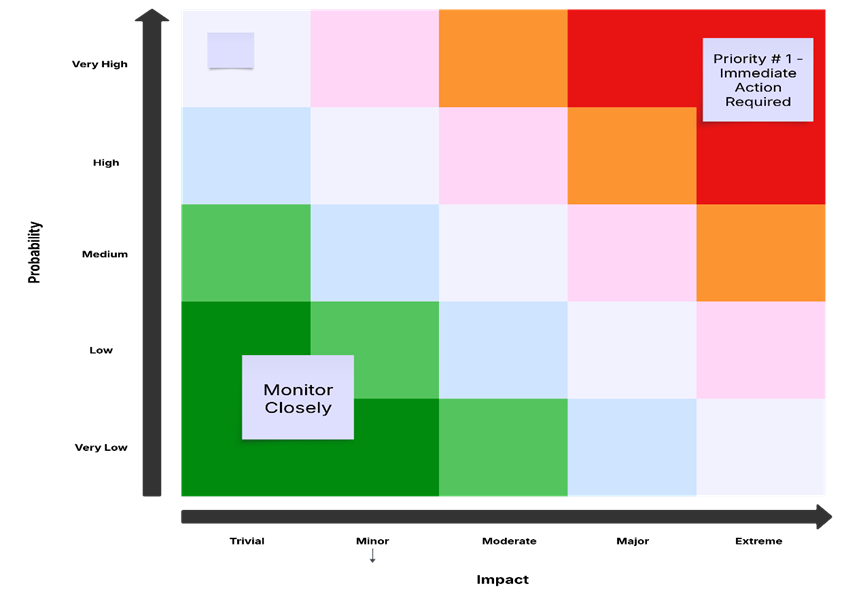
By clearly displaying risk severity and likelihood, heat maps assist decision-makers in quickly identifying which risks require immediate mitigation and resource allocation.
Regulatory Acceptance
Heat maps are widely recognized by regulatory bodies, including COSO, ISO 31000, FDIC, and CFPB, especially when combined with comprehensive narrative analysis. Regulators also view heat maps favorably, provided they are used with proper analytical backing.
Current Criticisms and Limitations
Despite their widespread use, traditional heat maps face several limitations:
- Subjectivity and Bias: Qualitative assessments inherent to heat maps can introduce biases.
- Ambiguity: Risks positioned on the boundaries of heat map zones can lead to unclear interpretations.
- Oversimplification: Complex risks and their interdependencies may be inadequately represented.
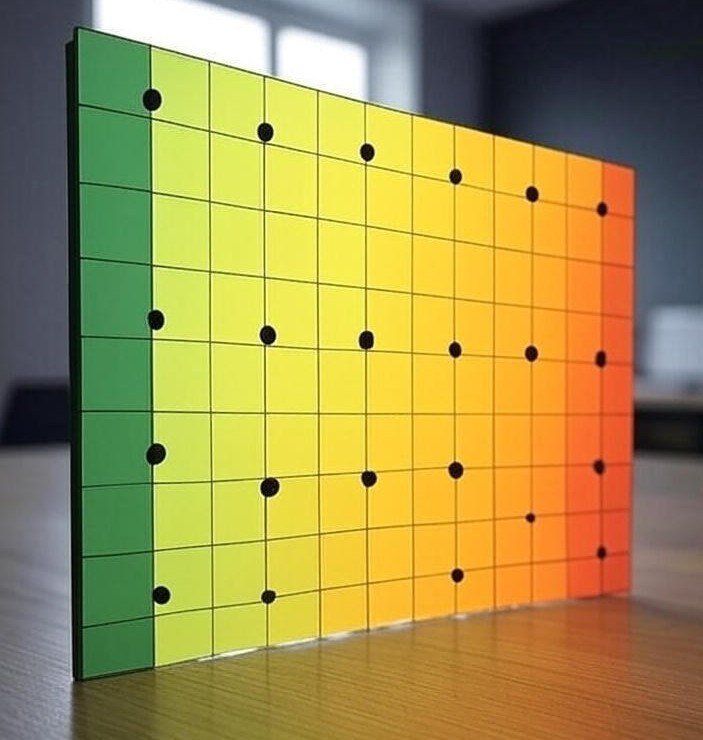
- Static Nature: Heat maps traditionally show a snapshot in time, limiting their dynamic effectiveness.
Trends and Innovations Enhancing Heat Map Use
To address these limitations, ERM practices have evolved significantly:
Integrated Risk Dashboards:Organizations are moving towards integrating heat maps with dynamic dashboards and real-time analytics, creating more robust risk visualization platforms.
Quantitative Enhancements:Quantitative techniques, including Monte Carlo simulations and sensitivity analyses, now augment qualitative heat maps, reducing subjectivity and increasing accuracy.
Scenario and Stress Testing:Scenario-based stress testing complements heat maps by exploring deeper insights into potential outcomes and impacts.
Continuous Monitoring:Real-time data integration allows heat maps to dynamically reflect shifting risk environments, enhancing responsiveness and adaptability.
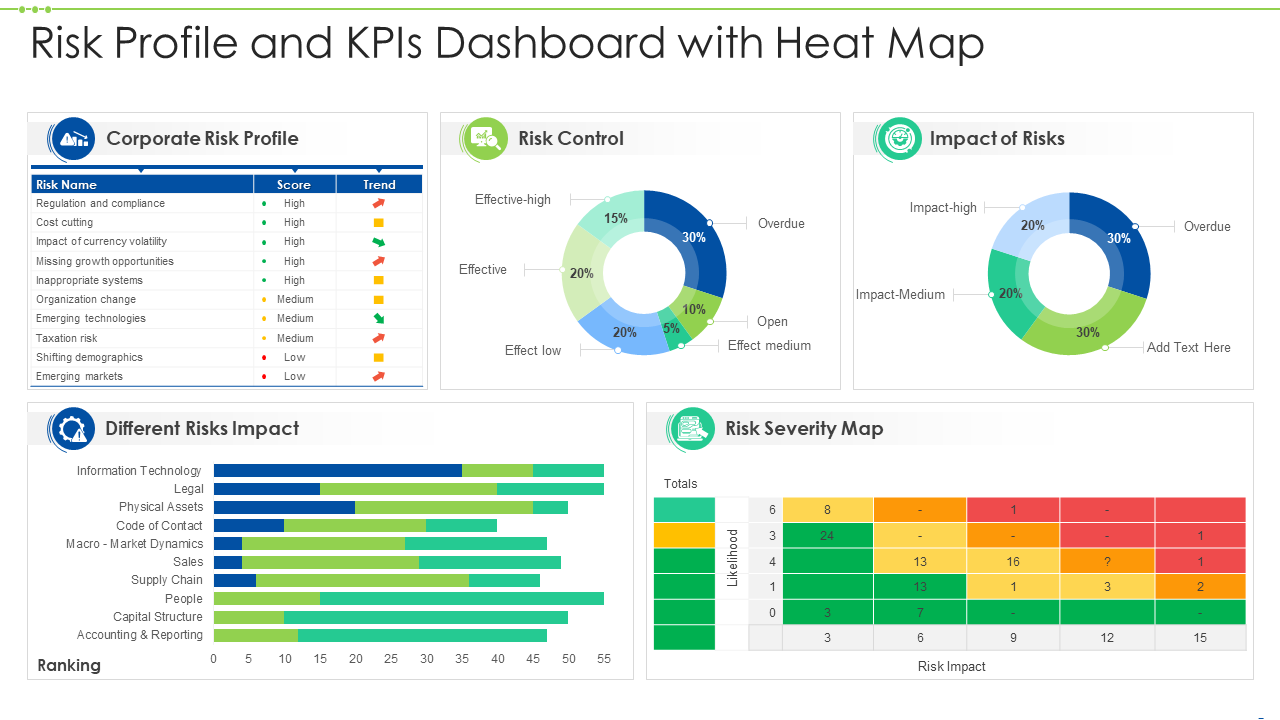
Best Practices for Effective Heat Map Use
To maintain credibility, organizations should:
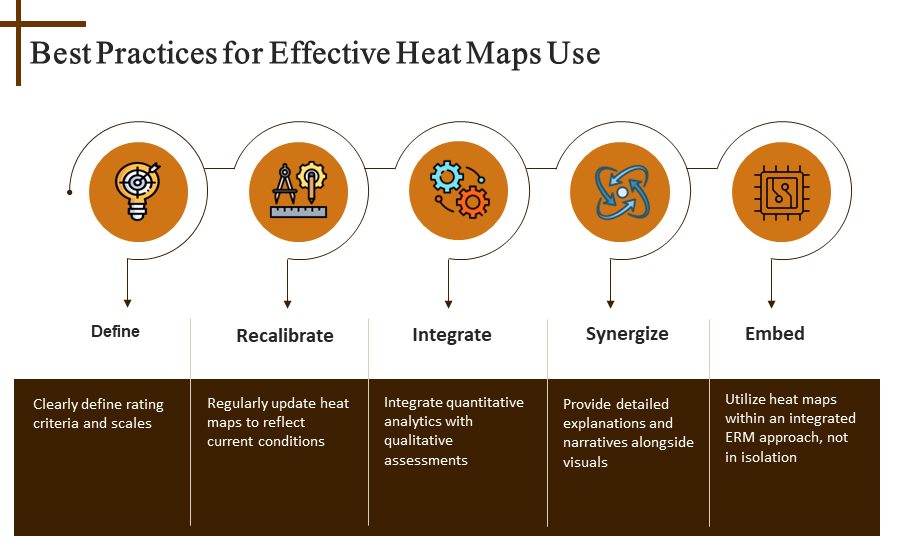
- Clearly define rating criteria and scales.
- Regularly update heat maps to reflect current conditions.
- Integrate quantitative analytics with qualitative assessments.
- Provide detailed explanations and narratives alongside visuals.
- Utilize heat maps within an integrated ERM approach, not in isolation.
Conclusion
Heat maps remain valuable and credible ERM tools when thoughtfully applied. Their continued relevance depends significantly on adopting evolving industry best practices, integrating quantitative methods, and ensuring dynamic adaptability within comprehensive risk management frameworks.
Originally published on LinkedIn, 3 August 2025.
Fayyaz Ahmad is the Founder and Principal of Keel Pragma. He has spent 27 years in senior risk leadership at global and leading regional institutions, building and running ERM, governance and GRC frameworks.
About Fayyaz →